Looking for a San Diego neighborhood that makes daily life feel easier without giving up access, recreation, or convenience? Carmel Valley stands out because it was planned with exactly that kind of lifestyle in mind. If you are weighing where to live in North County Coastal San Diego, this guide will help you understand how Carmel Valley feels day to day, who it tends to suit, and what you can expect from its layout, amenities, and housing options. Let’s dive in.
Carmel Valley at a Glance
Carmel Valley is a master-planned community in San Diego along the Interstate 5 corridor. According to the City of San Diego, the community has about 39,000 residents, and the first homes in the area were built in 1983.
Its planning history shapes how the neighborhood feels today. The city notes that the original plan, first commissioned in 1974 under the name North City West, was designed to reduce sprawl by concentrating development on mesa tops while preserving canyon open space.
That means Carmel Valley does not feel like a dense urban grid. Instead, it feels organized, open, and built around neighborhoods, retail hubs, parks, and major roads.
What the Lifestyle Feels Like
Living in Carmel Valley often means having a lot of your daily needs close by. You are not usually relying on one traditional downtown area. Instead, the community is structured around clusters of shopping, dining, services, recreation, and residential neighborhoods.
For many residents, that creates a practical rhythm. You can run errands, meet friends for dinner, stop by a park, or head to a recreation center without traveling far, even though the area remains more suburban than urban in its overall layout.
The neighborhood also has a polished, amenity-centered feel. Because it was intentionally planned, Carmel Valley tends to feel cohesive rather than pieced together over time.
Parks and Recreation in Carmel Valley
If outdoor access matters to you, Carmel Valley offers a wide range of public spaces and recreation facilities. The City of San Diego lists neighborhood assets including Carmel Valley Recreation Center, Ocean Air Recreation Center, Ashley Falls Park, Carmel Creek Park, Carmel Del Mar Park, Sage Canyon Park, Solana Highlands Park, and Torrey Hills Park.
The area also includes the Carmel Valley Skate Park and the Carmel Valley Library. Together, those amenities support a lifestyle that is active, convenient, and centered on regular use rather than occasional destination outings.
Carmel Valley Recreation Center
The Carmel Valley Recreation Center, built in 1999, is one of the community’s strongest everyday-use amenities. The city says it includes outdoor courts, a tot lot, playground, picnic areas, a multi-purpose athletic field, tennis courts, a gymnasium, meeting room, game room, craft room, and kitchen, with a swimming pool nearby.
That kind of facility supports more than just sports. It gives residents a place for community programs, casual recreation, and routine family activities throughout the week.
Skate Park and Library Access
The Carmel Valley Skate Park adds another layer of recreation. Open since 2008, it covers 13,500 square feet and includes a bowl, challenge course, lighting, restrooms, and seating areas.
The Carmel Valley Library has been open since 1993 and is described by the city as one of San Diego’s busiest branch libraries. It also hosts children’s, civic, and cultural events in its community room, which adds to the area’s sense of day-to-day community use.
Shopping and Dining Convenience
One of Carmel Valley’s biggest lifestyle strengths is convenience. The neighborhood’s retail pattern is not a continuous main street, but it does offer well-known centers that give residents easy access to shopping, dining, fitness, services, and entertainment.
Del Mar Highlands Town Center is one of the main anchors in the area. Its offerings include shopping, dining, health and fitness, services, and movie times, and the city identifies Carmel Valley’s development as centered around the Del Mar Highlands shopping area.
One Paseo is another major destination serving the area. Located between Carmel Valley and Del Mar just north of SR-56, the campus includes 286,000 square feet of Class-A office space, 96,000 square feet of retail, and 608 apartments.
Its dining mix includes a wide variety of recognizable options, from coffee and casual meals to sit-down restaurants and dessert spots. For residents, that means you can often keep everyday errands and social plans close to home.
Is Carmel Valley Walkable?
Carmel Valley has walkable pockets, especially around its retail and mixed-use centers. You may be able to walk between restaurants, shops, and services once you are in those areas.
At the same time, the broader neighborhood is still more car-oriented than urban. The overall planning pattern is built around open space, major roads, and separated residential and commercial areas.
Commute and Access
For many buyers, Carmel Valley’s location is a major reason to consider it. The neighborhood sits along the Interstate 5 corridor, and State Route 56 is also a key part of the area’s structure.
That setup can make it easier to move between coastal and inland parts of San Diego. It also helps explain why Carmel Valley tends to appeal to professionals who want freeway access without giving up neighborhood amenities.
The corridor is also seeing transportation improvements. Caltrans began SR-56 HOV lane construction in 2024 between El Camino Real and just before Carmel Valley Road as phase one of the I-5/SR-56 interchange project, with the goal of improving mobility along the corridor.
Schools and Community Resources
For households thinking long term, Carmel Valley offers a broad network of public resources. The city lists Del Mar Union, San Dieguito Union, and Solana Beach school districts as serving the community, along with nearby schools such as Carmel Valley Middle School, Torrey Pines High School, Canyon Crest Academy, and several elementary schools.
It is important to view school options as part of the neighborhood’s infrastructure rather than as a guarantee of fit. Still, the concentration of campuses, parks, recreation facilities, and library programming does make Carmel Valley a practical choice for many households looking for convenience and structure in daily life.
The city also notes that Carmel Valley is served by a police substation and fire protection facilities. Those services support the area’s established residential character.
What Housing Feels Like Here
Housing in Carmel Valley is best described as mixed-density and master-planned. The City of San Diego says the community was designed with an urban core, decreasing residential densities, and preserved open space, while planning documents for the area call for a balanced housing program and a range of housing types.
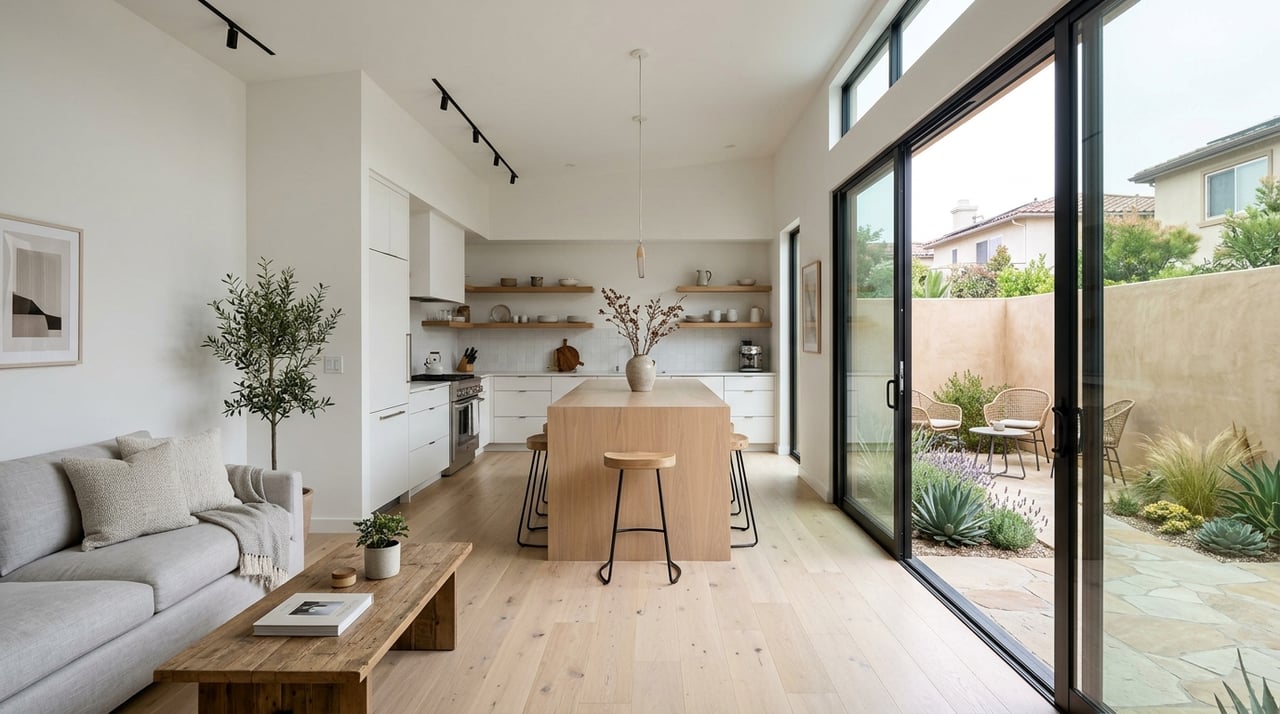
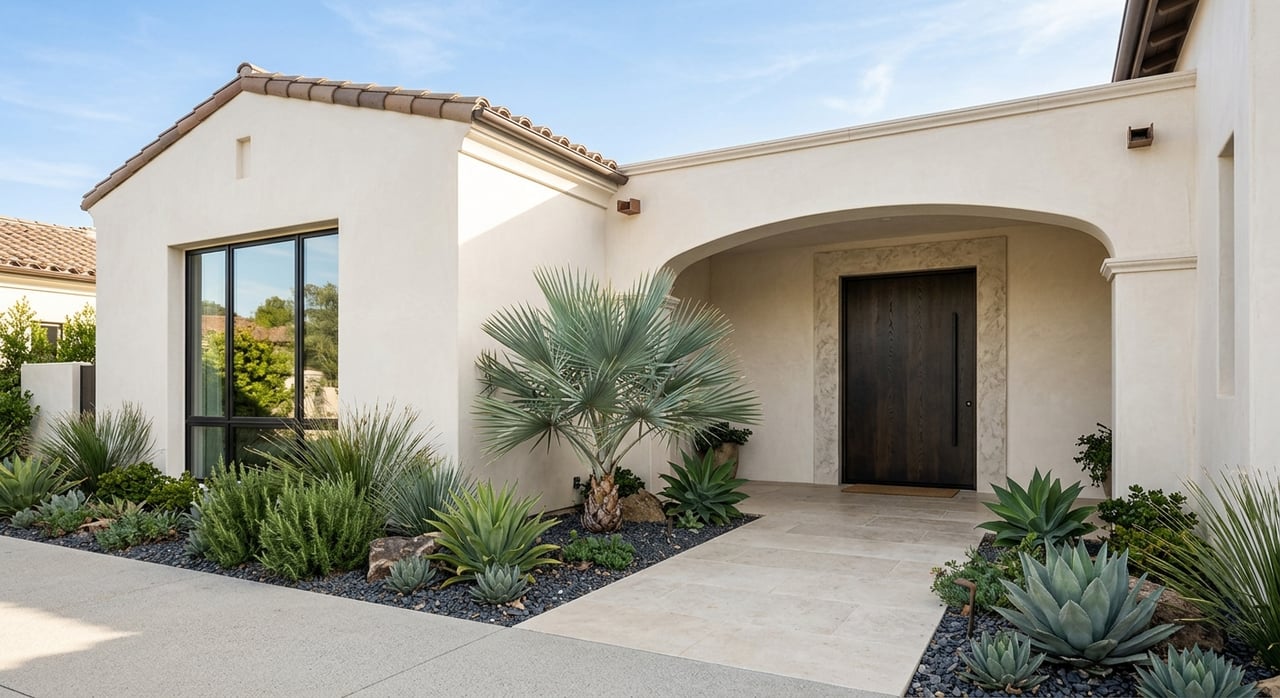
In practical terms, that means you will find more than one lifestyle option here. Some buyers are drawn to detached homes in established neighborhoods, while others may prefer a lower-maintenance option closer to the commercial core.
One Paseo adds newer apartment living within the community, which broadens the housing mix further. That gives Carmel Valley appeal for residents who want convenience and access without taking on the upkeep of a detached property.
Who Carmel Valley Tends to Fit Best
Carmel Valley tends to work well for people who want a suburban setting with strong daily convenience. If you value organized retail centers, recreation options, open space, and freeway access, the area checks many of the right boxes.
It can also be a fit if you want a neighborhood that feels established and intentionally planned. Rather than chasing a trendy urban vibe, Carmel Valley offers a more structured lifestyle centered on practical amenities and ease of living.
Buyers considering San Diego neighborhoods often compare Carmel Valley with areas that are denser, older, or more walkable. Carmel Valley usually stands apart for its newer planning, broad amenity base, and balance between residential areas and commercial hubs.
Pros and Tradeoffs of Living in Carmel Valley
Every neighborhood comes with strengths and compromises. Carmel Valley is no different.
Common Advantages
- Strong access to parks, recreation centers, and library resources
- Convenient shopping and dining at major retail hubs
- Location along I-5 with access to SR-56
- Master-planned layout with preserved open space
- A mix of housing options within the broader community
Common Tradeoffs
- More suburban and car-oriented than a traditional urban neighborhood
- Retail and dining are clustered rather than spread through a walkable street grid
- The community layout may feel more planned than organic to some buyers
Final Thoughts on Carmel Valley Living
If you want a San Diego neighborhood that blends convenience, recreation, and a polished master-planned feel, Carmel Valley deserves a close look. It offers a lifestyle built around access to parks, shopping, dining, services, and major commute routes, all within a community shaped by long-range planning.
For some buyers, that balance is exactly the point. You get a neighborhood that feels orderly, functional, and well-supported, with housing options that can suit different stages of life and different maintenance preferences.
If you are thinking about buying or selling in Carmel Valley, working with a local expert can help you narrow down which part of the community best matches your goals. For neighborhood guidance, pricing insight, and a tailored strategy, connect with John M Rubino DBA Rubino Real Estate.
FAQs
What is Carmel Valley in San Diego like for everyday living?
- Carmel Valley offers a planned suburban lifestyle with convenient access to shopping centers, restaurants, parks, recreation facilities, open space, and major commute routes.
Is Carmel Valley in San Diego more suburban or urban?
- Carmel Valley is generally more suburban, with walkable pockets around major retail centers but an overall layout built around mesa development, open space, and freeway access.
What amenities does Carmel Valley in San Diego offer?
- The community includes parks, recreation centers, a skate park, a library, shopping centers, dining options, community services, and access to trail and open space areas.
What types of homes are found in Carmel Valley?
- Carmel Valley has a mix of housing types in a master-planned setting, including detached homes and lower-maintenance residential options near commercial areas.
Is Carmel Valley a good fit for San Diego buyers who commute?
- Carmel Valley can be a strong fit for commuters because it is located along Interstate 5 and connected to SR-56, with ongoing mobility improvements in the corridor.