Pricing your Mission Hills home can feel tricky. The neighborhood’s historic charm, hillside views, and tight inventory create strong demand, but buyers still compare carefully and watch the numbers. If you want a fast, confident sale at a great price, you need a plan that blends local data with smart strategy. In this guide, you’ll learn how to build a rock‑solid pricing foundation, choose the right comps, pick a strategy that fits your goals, and adjust based on real results. Let’s dive in.
Know your Mission Hills market
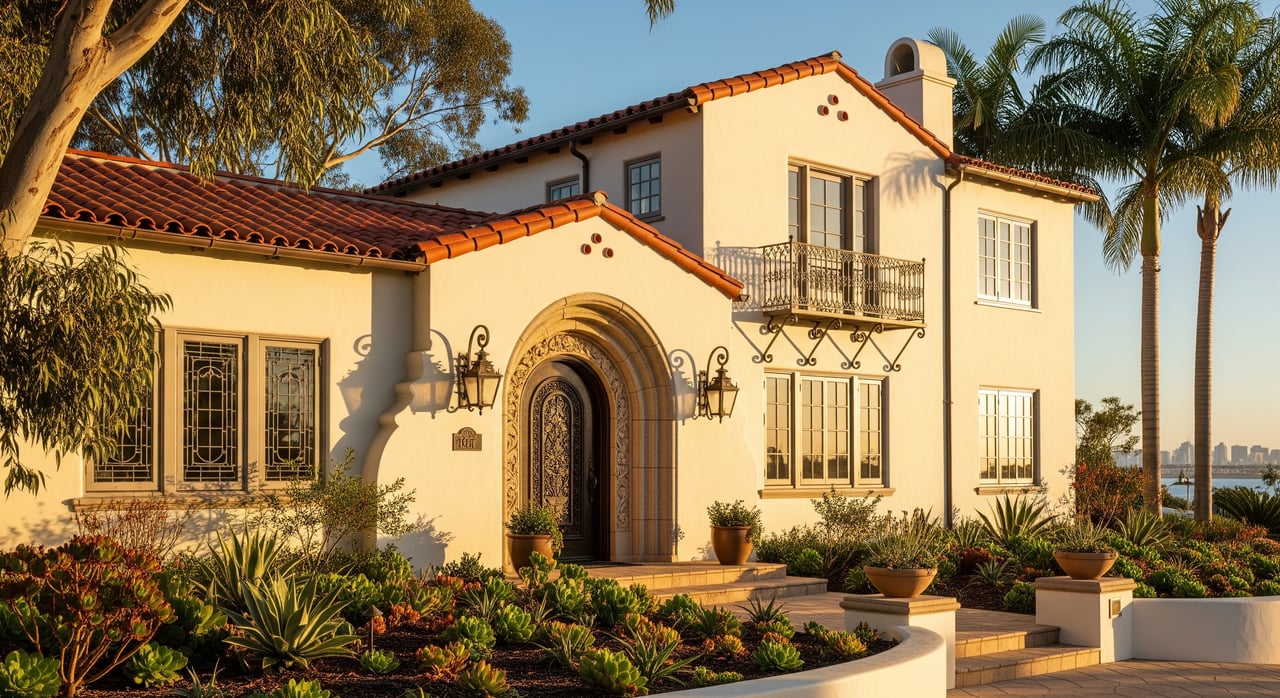
Mission Hills in 92103 is a close‑in, historic neighborhood with early 20th‑century homes, hillside lots, and frequent city or bay views from higher streets. Many buyers seek period details and walkability, plus quick access to downtown, Old Town, and the airport. Inventory is often limited compared to demand, which can support strong pricing when you align with the data.
Refresh your pricing inputs close to your list date. Mortgage rates, seasonal patterns, and new listings can shift quickly in San Diego. Pull recent comps from the local MLS and keep an eye on trends over the past 6 to 12 months.
Key metrics to track and update:
- Median and mean sold price in 92103 for homes like yours
- Price per square foot for similar size, style, and condition
- Days on Market for comparable listings
- Months of inventory and absorption rate in your price band
- List to sale price ratio for recent closed comps
- Active vs. pending vs. sold counts in the last 30 to 90 days
Build a rock‑solid CMA
A clean, well‑supported CMA gives you a defensible pricing range and a plan to adjust. It also helps you handle appraisal conversations later.
Define your segment
- Separate single‑family homes from condos or townhomes.
- Segment by price band since buyer pools can shift at thresholds like under 1 million, 1 to 1.5 million, 1.5 to 2 million, and above 2 million.
- Consider era and style. Many Mission Hills buyers compare period Craftsman and Spanish homes differently than modernized infill.
Choose the right comps
Start close and recent. Use 3 to 6 months of sales when possible.
- Location first: same street or adjacent streets, then within 0.25 to 0.5 mile. Match the micro‑neighborhood and elevation tier because view potential and street dynamics matter here.
- Time window: 3 to 6 months preferred; extend to 6 to 12 months only if comps are scarce.
- Size: within plus or minus 15 percent of your home’s living area.
- Features: lot size, bedroom and bath count, garage or off‑street parking, pool, ADU, and especially view quality.
- Condition: compare original vintage to original, and renovated to renovated. Mix carefully and adjust when needed.
Note value drivers and constraints
Document elements that make your property different:
- View premium or obstruction and elevation tier
- Degree of modernization in kitchen, baths, and systems
- Permitted ADUs and any rental compliance
- Historic designation or architectural controls
- Easements, parcel splits, or encumbrances
Make thoughtful adjustments
Use paired sales and local experience to justify adjustments in price or price per square foot. In Mission Hills, views, elevation, and authentic period features often require meaningful adjustments. Keep your rationale clear and in writing.
Validate when needed
If your home is unusual, consider a pre‑listing appraisal or a broker opinion of value. This can reduce the risk of a low appraisal once you are in escrow.
Price strategy that fits your goals
Your list price should reflect both the data and your timeline. Choose the approach that matches your goals, then monitor results and adjust quickly.
Market pricing
List near the CMA‑supported value to attract qualified buyers without lingering. This often leads to a steady flow of showings and a high chance of appraisal alignment.
Competitive underpricing
List slightly below a round number to expand your buyer pool and create urgency. In a low‑inventory pocket of Mission Hills, this can spark multiple offers. Plan for possible appraisal gaps and have negotiation strategies ready.
Premium pricing
If inventory is very low and your home is uniquely desirable, a premium list can work. Expect fewer showings and longer Days on Market. Be ready with a clear timeline for a price review if traffic is light.
Incremental pricing
Start at market, then use small, planned reductions if needed. Aim for targeted adjustments that re‑energize online search visibility instead of repeated, random cuts.
Price bands and buyer psychology
Buyers search by round number bands. A small move that places your home under a common threshold can increase views and showings. Crossing into a higher band can reduce the number of matches. When you set or adjust price, map it to the most strategic band for your segment.
Use data to adjust quickly
The first two weeks tell you a lot. Treat them like a market test with full marketing and strong exposure.
Early indicators to watch
- Time trigger: If your showings are notably lower than similar active listings in the first 10 to 14 days, review the price and marketing.
- Feedback trigger: If buyers and agents consistently say the price is high relative to features or condition, consider adjusting.
- Metrics trigger: Compare list to showing, showing to offer conversion, and virtual engagement to local benchmarks.
- Competitive action: If similar homes close below your target, reassess quickly.
- Appraisal planning: If you receive an offer above likely appraisal support, discuss options like price adjustments, buyer bridge funds, or splitting a shortfall.
Smart reduction strategy
A single small reduction of 2 to 3 percent can create new attention, especially if it moves you into a lower search band. Before changing price, make sure photos, staging, and marketing are dialed in. Document your pricing timeline and reasons for each adjustment so you can negotiate with confidence.
Mission Hills features that move price
Homes in 92103 vary widely by elevation, street, and era. These local factors often shift value and buyer perception.
Architecture and historic features
Original period details like hardwoods, built‑ins, and leaded glass can be high‑value features for buyers who prioritize authenticity. If you have restoration work, gather documentation and photos.
Views and elevation
City and water views often command premiums. Match your home to comps on the same or similar elevation and quantify any view advantage with local sales on your street when possible. If view corridors are protected, note it.
Lot and outdoor living
Usable outdoor space is prized in close‑in neighborhoods. A flat yard, patios, or terraces can increase appeal. Pools can add value in some cases, though buyers also consider maintenance.
Parking and access
On‑site parking is important on some narrow or busy streets. Clearly outline garage size, driveway capacity, and street parking context.
Systems, permits, and inspections
Older homes sometimes have unpermitted work. Pull permit history and consider a pre‑listing inspection to reveal items that could hurt value or spook buyers. If you have an ADU, confirm permits and compliance.
Your pre‑list pricing checklist
- Pull permit history and assessor parcel data.
- Order a pre‑listing inspection for roof, foundation, HVAC, electrical, and plumbing.
- Obtain a preliminary title report to surface liens or encumbrances.
- Consider a pre‑listing appraisal for unique or view‑sensitive properties.
- Stage key rooms and invest in high‑quality photos, floor plans, and a 3D tour.
- Tackle high‑impact fixes like paint, landscaping, lighting, and minor kitchen or bath repairs.
- Gather documentation for restoration work, warranties, and appliance info.
- Confirm any ADU permits and rental compliance.
What to expect from your agent
A consultative pricing partner should deliver tangible, data‑driven tools that help you decide and adjust.
- Initial CMA packet: 8 to 12 local comps across sold, pending, and active. Clear adjustments, rationale, and price per square foot ranges. Three pricing scenarios with expected Days on Market and probability of sale.
- Market snapshot and timing: Current 92103 metrics updated within 7 to 14 days of listing and a recommended list window based on seasonal patterns.
- Pre‑listing diagnostic: Repairs and upgrades prioritized by likely ROI, plus a permit review and risk summary.
- Marketing and test plan: A defined 10 to 14 day launch with full marketing, open houses, and broker outreach. Pre‑set performance triggers and a reduction plan if needed.
- Negotiation and appraisal plan: Strategies for handling multiple offers and potential appraisal gaps. Documentation for appraisers that includes comps, permits, and improvement receipts.
- Reporting cadence: Weekly updates on showings, feedback, new comps, and online engagement. Clear explanations for any recommended price change.
Two phrases you should hear from your agent:
- “We will use the 3 scenario CMA to choose a strategy that meets your timeline and net proceeds goal.”
- “We will run a 10 to 14 day market test with full marketing. If traction is limited, we will review the data together and adjust.”
Move forward with confidence
The right price in Mission Hills is not just a number. It is a plan. When you combine local comps, realistic scenarios, and quick adjustments based on early feedback, you position your home to attract the right buyers and secure a strong result.
If you are planning to sell in the next 6 to 18 months, get a tailored, data‑driven pricing plan for 92103. Connect with John Rubino to get your free home valuation and consultation.
FAQs
How many comps and how recent should they be for 92103?
- Aim for 3 to 6 months of sales on the same or nearby streets, within 0.25 to 0.5 mile, and within plus or minus 15 percent of your home’s size.
What price range attracts offers in the first two weeks?
- A market‑aligned list price that matches recent comps and sits in the right search band often produces steady showings and early offers in 10 to 14 days.
How much can staging and minor repairs change my price?
- Strategic improvements like paint, lighting, landscaping, and clear staging can improve perceived value and reduce price resistance, often boosting traffic and offers.
What happens if the appraisal comes in low in 92103?
- Your options include a price adjustment, buyer bridge funds, or splitting the difference; a pre‑listing appraisal and strong comp package help reduce the risk.
How do views and historic designation affect value in Mission Hills?
- City or water views and intact period details can support higher pricing when supported by nearby view comps, while formal historic controls may shape renovation choices and comparability.