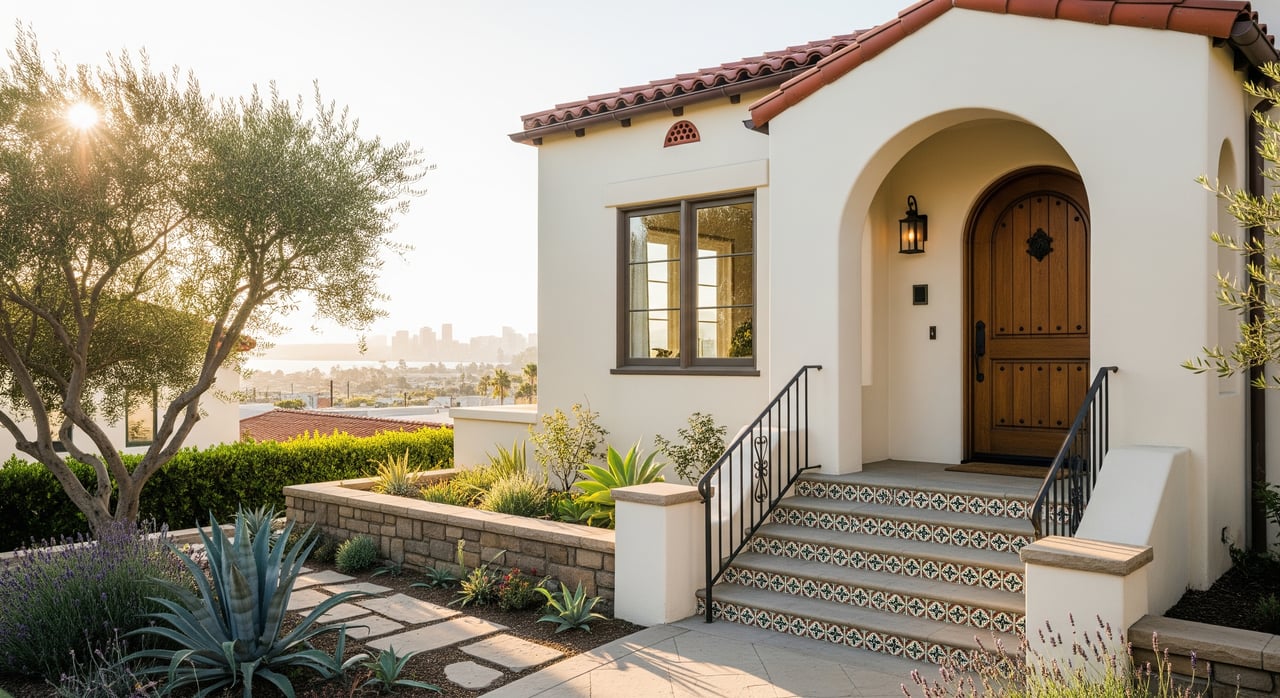
Thinking about selling your Mission Hills home and wondering if a pre-list inspection is worth it? In a neighborhood with many early 1900s and mid-century properties, the condition of older systems can make or break a deal. You want a smooth escrow, strong offers, and fewer surprises. In this guide, you’ll learn what a pre-list inspection covers, how it plays out in 92103, the pros and cons, and smart next steps so you can move forward with confidence. Let’s dive in.
What a pre-list inspection includes
A pre-list (seller) inspection is a standard home inspection that you order before going on the market. A licensed inspector reviews visible and accessible components: structure, roof, plumbing, electrical, HVAC, and interior and exterior safety items. You can add specialty inspections, such as pest/wood-destroying organisms (WDO), sewer lateral video scope, roofing, HVAC service, or structural engineer reviews.
Typical costs and timing in San Diego vary by home size and vendor:
- General home inspection: roughly $300 to $800.
- Pest/WDO inspection: about $100 to $300.
- Sewer video scope: about $150 to $400.
- Specialty tests (lead, asbestos, HVAC, chimney, roof): added fees.
- Turnaround: inspection appointment plus 24 to 72 hours for reports is common.
These inspections give you a clear punch list before you price, market, and negotiate.
Why it matters in Mission Hills 92103
Mission Hills has many early 20th-century Craftsman and bungalows, 1920s to 1940s homes, and some mid-century residences. Over time, many properties saw renovations or additions, sometimes with incomplete documentation. That age mix means a higher chance that an inspection will uncover items that affect value and buyer confidence.
Common findings in Mission Hills-style homes include:
- Plumbing: galvanized water lines that restrict flow and corrosion, plus cast-iron or clay sewer laterals that can crack or admit roots.
- Electrical: older wiring types or undersized panels. Inspectors often flag obsolete panels like certain Federal Pacific or Zinsco models.
- Roofing: end-of-life materials and improper flashing around chimneys or dormers.
- Foundation and drainage: settlement, perimeter drainage issues, retaining wall movement on sloped lots.
- Termites/WDO: drywood and subterranean activity is common in Southern California.
- Hazardous materials in older homes: potential lead-based paint in pre-1978 construction and possible asbestos in older insulation or mastics.
- HVAC and insulation: aging systems and limited attic insulation or ventilation.
A targeted pre-list inspection helps you catch these items early so you can decide whether to repair, disclose, or price accordingly.
Legal and disclosure basics in California
California law requires you to disclose known material facts about your property. The Transfer Disclosure Statement (TDS) and related Civil Code provisions outline this duty. If your inspection reveals issues and you know about them, you must disclose them to buyers. Review the relevant section of the California Civil Code for the Transfer Disclosure Statement.
If your home was built before 1978, federal rules require disclosure of known lead-based paint hazards and the provision of an EPA/HUD pamphlet to buyers. Learn more about the EPA’s lead-based paint disclosure requirements.
San Diego’s Private Sewer Lateral (PSL) program also matters at the time of sale. The City requires verification, repair, or proof of compliance for private sewer laterals in many transactions. Getting a sewer scope early helps you identify potential costs and avoid last-minute escrow delays. See the City of San Diego’s page on Private Sewer Laterals for details.
A few key points:
- Selling “as-is” does not remove your duty to disclose known defects.
- A seller inspection creates knowledge, so you must disclose what you learn if it is material.
- Buyers almost always conduct their own inspections as part of due diligence.
Pros and cons for Mission Hills sellers
Every property is different, but these are the common tradeoffs you’ll weigh.
Benefits you’ll likely see
- Reduced surprises in escrow: Early identification of major items lowers the risk of renegotiation or cancellation.
- Stronger negotiation stance: Sharing a recent inspection or completed repairs signals transparency and supports your list price.
- Controlled repair choices: You can shop bids, prioritize safety and system fixes, and decide between repairs and credits before listing.
- Faster contingencies: Clear condition can help buyers move more quickly through inspections.
- Market differentiation: A clean inspection packet can set your listing apart when comparable homes have unknowns.
Risks and tradeoffs to consider
- Disclosure duty: If you learn about defects, you must disclose them. Failing to do so can increase legal risk.
- Buyer perception: A long report can deter offers if issues are not addressed or properly framed.
- Upfront costs: Inspections and repairs require time and money and may not always return dollar-for-dollar value.
- Buyer inspections remain: Most buyers will still order their own inspections and may ask for repairs or credits.
Which inspections to consider first
For older or mid-century homes in 92103, start with:
- General home inspection.
- Pest/WDO inspection.
- Sewer lateral video scope, especially because of the local PSL program.
- Electrical panel and wiring review if the home has older systems.
- Roofing inspection or certification if the roof age is unknown or shows wear.
- Structural/foundation review if there is visible settlement, major cracking, or a steep slope.
- HVAC service and chimney inspection if applicable.
- Lead-based paint or asbestos testing for pre-1978 homes, particularly if you are planning renovations.
If you choose a pest inspection, work with licensed professionals. The California Department of Consumer Affairs’ Structural Pest Control Board oversees licensing. You can learn more from the Structural Pest Control Board.
What to do after your report
Your strategy depends on the findings, timeline, and budget. Here are the most common paths.
Option 1: Repair before listing
- Best for safety issues and major systems like sewer laterals, structural or WDO repairs, electrical hazards, or major roof defects.
- Pros: Fewer buyer objections, stronger pricing narrative, and smoother escrow.
- Cons: Upfront cost and time, and not every repair yields full price recovery.
Option 2: List as-is with full disclosure
- Pros: Maximum transparency and no large upfront repair bills. Some buyers prefer a known baseline.
- Cons: You may get fewer offers or more requests for credits. Pricing must reflect condition.
Option 3: Targeted repairs plus credits
- Pros: You address safety and code issues, then offer credits for less critical items. This balances cost, time, and marketability.
- Cons: You will still negotiate, and buyers may ask for additional concessions after their own inspections.
How to present your findings
- Provide your inspection report, receipts, warranties, and any permits to prospective buyers.
- Ensure your TDS and related disclosures match what the inspection uncovered.
- Work with your listing agent on clear, factual wording. Be transparent and avoid minimizing known material defects.
Planning your timeline and budget
Build in time before listing to complete inspections and decide on repairs.
- Schedule inspections now, then allow 24 to 72 hours for reports.
- Plan 1 to 3 weeks to gather contractor bids and complete minor repairs.
- Expect that larger items like sewer lateral replacement or structural work may require permits and several weeks.
- Keep a contingency in your budget for surprises. Prioritize high-impact items that reduce escrow risk.
Should you get a pre-list inspection in 92103?
If your Mission Hills home is older or has had decades of updates, a pre-list inspection often pays off in fewer surprises and clearer pricing decisions. The combination of a general inspection plus a pest/WDO report and a sewer scope is a strong starting point in 92103. These reports help you decide whether to repair, disclose and price accordingly, or offer credits that keep your deal moving.
If your home is newer, recently renovated with permits, or you are under tight timelines, a lighter approach may be enough. You can still order a pest/WDO inspection and sewer scope to reduce common San Diego risk points.
Ready to map out the right approach for your property? Let’s talk through your goals, timeline, and budget so you can launch with confidence. For a tailored plan, market prep guidance, and pricing strategy, connect with John Rubino for your free home valuation and consultation.
FAQs
Are pre-list inspections worth it for Mission Hills sellers in 92103?
- Often yes for older homes, because early insights on plumbing, electrical, roofing, WDO, and sewer laterals can prevent escrow surprises and support pricing decisions.
Do I have to disclose defects found in a seller inspection in California?
- Yes; California’s disclosure laws require sellers to disclose known material facts, and findings from your inspection become part of what you know about the property.
How does San Diego’s Private Sewer Lateral program affect my sale?
- The City may require verification or repair of your private sewer lateral at the time of sale, so an early sewer scope helps you plan costs and avoid delays.
Which pre-list inspections deliver the most value for older homes?
- Start with a general inspection, pest/WDO report, and a sewer scope, then add roofing, electrical panel, or structural reviews based on what you and your inspector observe.
Will buyers still order their own inspections if I do one first?
- Almost always; your report reduces uncertainty, but buyers typically perform their own due diligence and may request repairs or credits based on their findings.